Category: Peggy Pickit Sees the Face of God
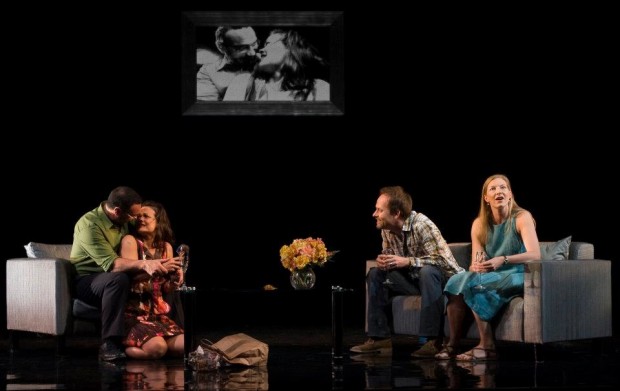
Peggy Pickit Sees the Face of God - Tony Nappo, Kristen Thomson, Tom Barnett and Maev Beaty. Photo by John Lauener
by Michael Wheeler
I realize it is a little strange as the Co-Artistic Director of Praxis Theatre and Editor of praxistheatre.com to publish a blog post about the best play I’ve worked on so far and for it not to be a Praxis Theatre show – but there’s PR and then there’s an attempt at truth. Hopefully people read this thing because we appreciate the latter over the former in this space.
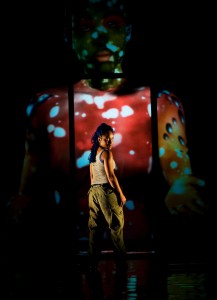
Shine Your Eye - Dienye Waboso. Photo by John Lauener
Over the past three years, with the generous support of two grants from Theatre Ontario, I have been a participant in Volcano Theatre‘s The Africa Trilogy – which premiered last year at Luminato and became Another Africa this year at Canadian Stage.
This participation has taken number of forms; first as Artistic Producer Trainee with artistic and producing duties on all three productions, which I blogged about extensively on praxistheatre.com in a seven part series, and then as the creator and curator of The Africa Trilogy Blog.
Both of these experiences were immensely rewarding. In terms of gaining an intimate detailed understanding of how an ambitious international collaboration goes from idea to reality (praxis) they were invaluable.
There could be no better education in creating original plays than the opportunity to experience directors Ross Manson and Josette Bushell-Mingo, cast, dramaturge, choroegraph and stage new works by new voices in theatre.
In particular, seeing Shine Your Eye, the first dramatic work by Binyavanga Wainana, (just pronounced this week by Forbes magazine as one the 40 most powerful celebrities in Africa) come to life as a thoroughly contemporary African perspective on Africa, expanded my understanding of theatrical potential.
The majority of my work over three years and seven (yes seven!) rehearsal processes was as Assistant Director working alongside director Liesl Tommy and choreographer Heidi Strauss on Roland Schimmelpfennig’s Peggy Pickit Sees The Face of God.
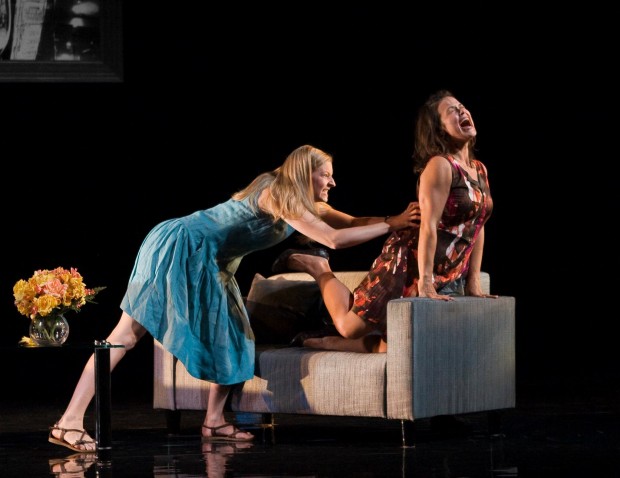
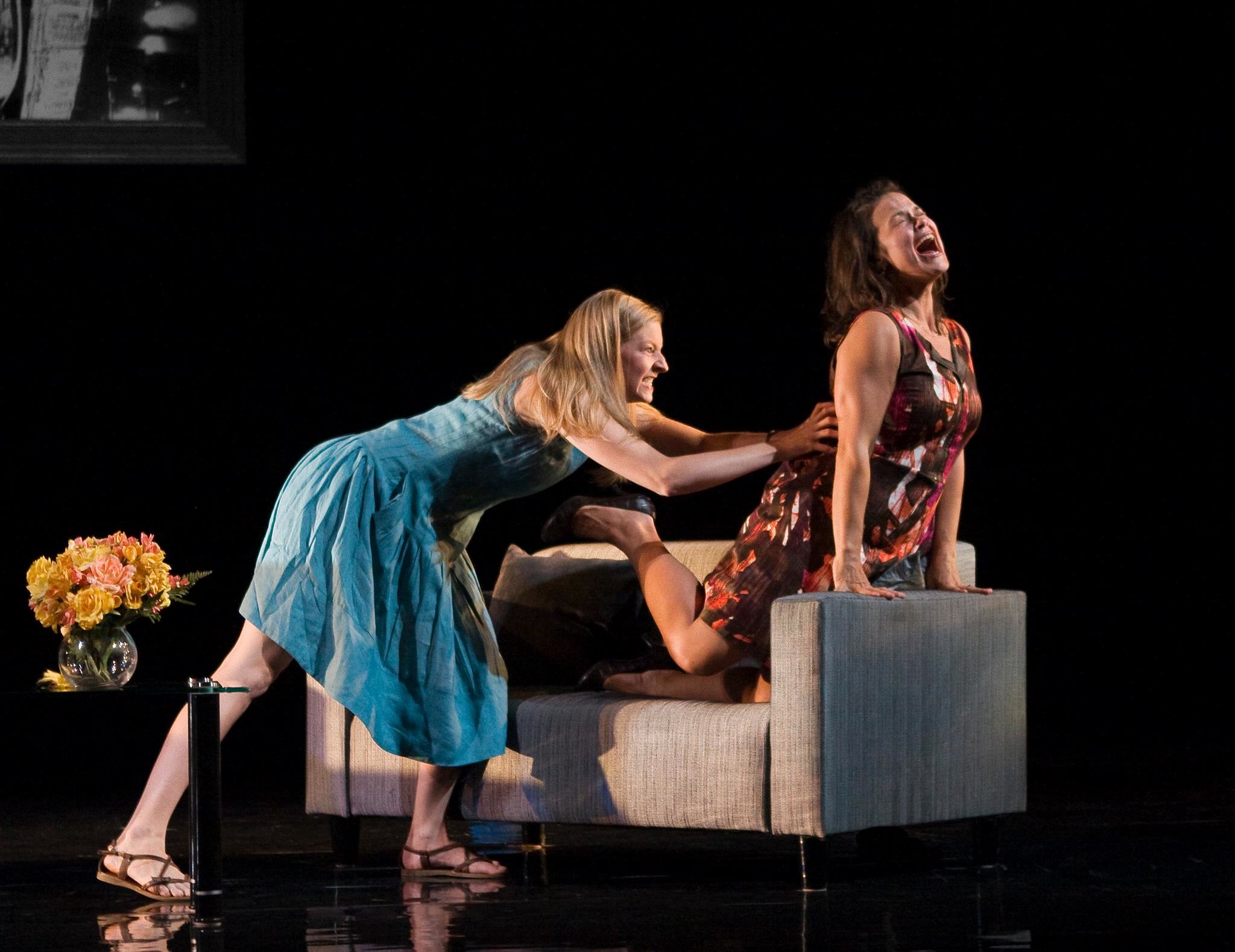
Peggy Pickit Sees the Face of God - Maev Beaty, Kristen Thomson. Photo by John Lauener
Developing a World Premiere of a Schimmelpfennig text over 2008-2011 has inspired two extremely vibrant emotions in me:
1 – Pure inspiration: I remember walking home from a read-through of the play sometime in the second workshop in 2009 with a deep suspicion that, assuming we are still here on earth, this text will be performed in fifty years by Norweigan high schoolers, community players in Austin Texas, and subject to a number of revivals.
There’s nothing quite like being sure what you are doing is important and may possibly outlast you.
2 – Absolute dread: As an artist literally in training to have responsibilities connected to the success of this a once-in-a-lifetime text was intimdating to say the least. When I found myself rehearsal director of a workshop to review blocking and camerawork from Luminato with new Canadian Stage cast members Tom Barnett and Kristen Thomson in April, it was frankly the most pressure I have put on myself.
I watch enough sports to know sometimes guys make The Stanley Cup in their rookie year and that’s the only shot they ever get.
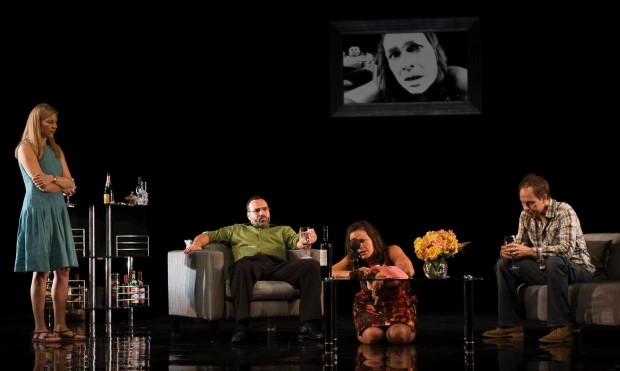
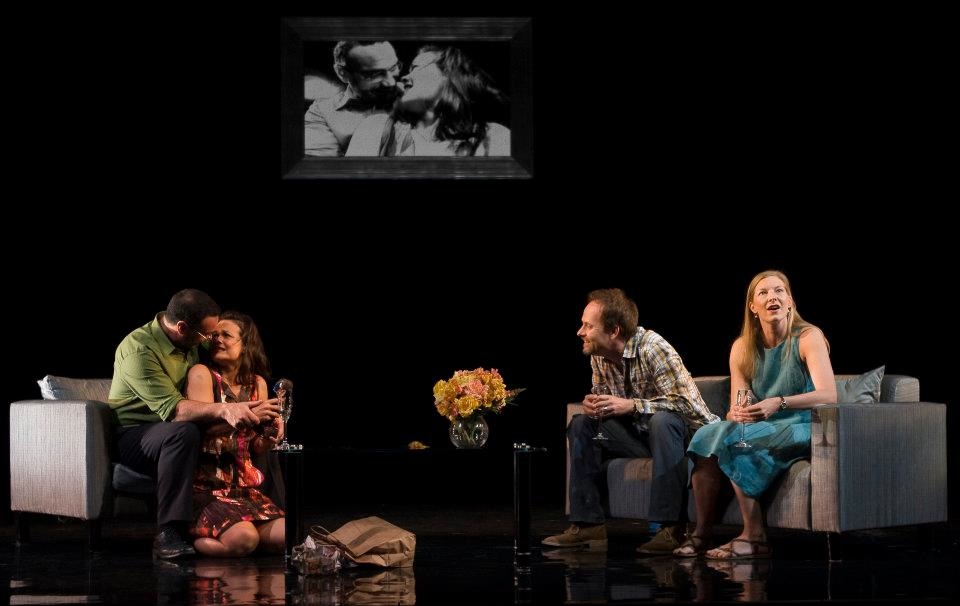
Peggy Pickit Sees the Face of God - Maev Beaty, Tony Nappo, Kristen Thomson, Tom Barnett. Photo by John Lauener
If you can’t tell, I am immensely proud of this play and there is a week-and-a-half left to catch it. You can get some seriously cheap tickets: Under 30: $12.50, PWYC Mondays, and $22 Arts Worker opportunities are all in play.
Click here for full details on cheap tickets, and click here for the Another Africa show page.
If you enjoy new performance that pushes the potential and form of live storytelling I hope you will come. Don’t make it one of those shows you meant to see but things were crazy in the fall, yadda, yadda, yadda. If you come this Friday October 14, Volcano Theatre General Manager Meredith Potter will be talking in more detail about creating the production in the second floor lobby at 7:15pm before the 8pm curtain.
That’s it. That’s my pitch. Thanks to Volcano Theatre for the unprecedented trust and opportunity and to director Liesl Tommy for giving her assistant director real things to do. Hope you can make it.
Peggy Pickit Sees the Face of God – Maev Beaty and Tony Nappo #1
This post is the first of several discussions that took place over email between Africa Trilogy actors Maev Beaty and Tony Nappo. Click here to read the introduction to Peggy Pickit Sees the Face of God.
The Human Problem of “What Do I Do?”
Maev:
Mr. Nappo, a pleasure to be having this “e-discussion” with you. Let me ask the first question…we’ll start light. We’ve done two workshops of this play now…has your perspective on the West’s relationship to Africa changed?
Tony:
I am not sure whether or not my perspective has changed. It’s just expanded, I suppose. I think at the heart of this play, there seems to be some kind of statement about our choices as human beings to get involved or not in any kind of human crisis. Are we obligated morally to help if we can, and will our help, ultimately, make any difference at all after a crisis reaches a certain point-and, at what cost to us as the individual?
It makes me think, historically, about the Holocaust and, contemporarily, about the Tamils. It seems that people want such atrocities to stop or never to have existed, and rightfully so, of course, but the natural instinct to survive and self preserve would dictate that one doesn’t actually physically get involved which becomes easier the farther removed, geographically, one may be from any given situation. So is desire for change strong enough to create a pull towards action?
It’s one thing to be appalled by what is happening and quite another thing to do something about it when something isn’t directly affecting your day to day. Like Bono sings in that Christmas song- “Well, tonight thank God it’s them instead of you.” That is one of the truest, saddest lines ever sung. And that sadness seems to permeate Roland’s piece. So, I am thinking, and answering, I guess, in more human terms than factual or political terms. But I am playing Frank, who makes the choice not to help but live his own life- as the actress playing Carol, you must have had to search for the part of yourself that would go- would have to go and at least try to make some difference. What surprised you or didn’t about yourself in this regard?
Maev:
Yes, Carol is a puzzle, as far as the original impetus (or courage?) to go and ‘help,’ but now it seems she’s left with a dismal sense of futility and loss and, I sense, some resentment. It reminds me of a book that Josette mentioned in our Glo workshop which I am now eager to read titled Dead Aid: Why Aid Is Not Working and How There Is A Better Way for Africa. I here confess that I had, of course, heard arguments that aid was not getting to where it needed to go and that it was often sucked up in corruption. But I had always, in my gut, believed it must still be ‘helping.’ From what I’ve read about the book, the author claims aid has made things much worse on the continent.
Carol’s journey feels a bit resonant of this (particularly in relation to Annie – and theatrically, Annie as a metaphor. Did she, in fact, exacerbate the cruelty of Annie’s circumstances?) This relates to the human problem of “what do I do?” And of course, this is theatre, so we are only going to ask lots of questions – not provide answers. But I DO think A3 has a responsibility to open up the questions to everybody. I’m really hoping there will be a way for audiences to immediately (like, in the lobby) respond to the work, ideally on computer (who even remembers how to write with pencil and paper anymore?), with live posting capability. And I hope there will be lots of resources available for some ongoing relationship/dialogue to the issue.
Click here for an overview of the project and process.
Peggy Pickit Sees the Face of God – Roland Schimmelpfennig
As the Africa Trilogy Series continues, there will be a number of conversations between Maev Beaty and Tony Nappo, two actors who have been involved in the project from the intial workshop in 2008. To have a full understanding of what they will be writing about, this post describes the show they have both been working on, Peggy Pickit Sees The Face of God, and some ideas from the playwright, Germany’s incomparable Roland Schimmelpfennig.
The Story:
Set in an unidentified Western city, Peggy Pickit begins with a white married couple arriving at another white couple’s house for a reunion. All four were best friends at medical school. All are now 41. Two have just returned from crisis work in Africa –escaping a particularly violent flare-up. They have been gone for six years. The other two stayed at home, had a child, and made a lot of money. Each couple looks at the other with envy. Both marriages are in trouble. The returning couple left behind a local child in Africa that the other couple was sponsoring. The fate of that child is unknown, but we learn she is dependent on drug therapy, and without treatment, she will likely die.
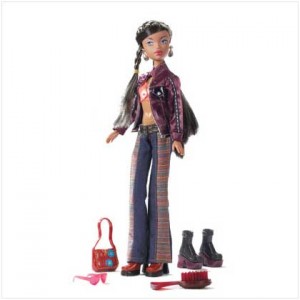
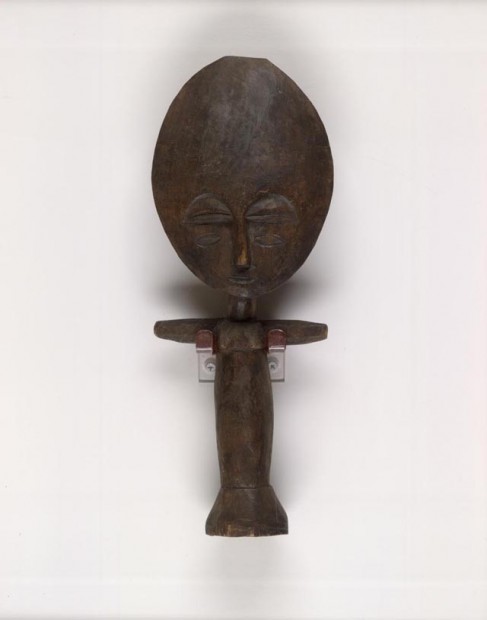
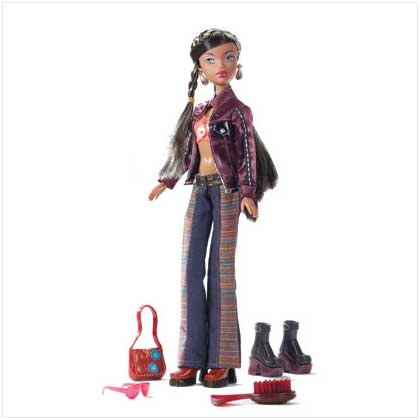
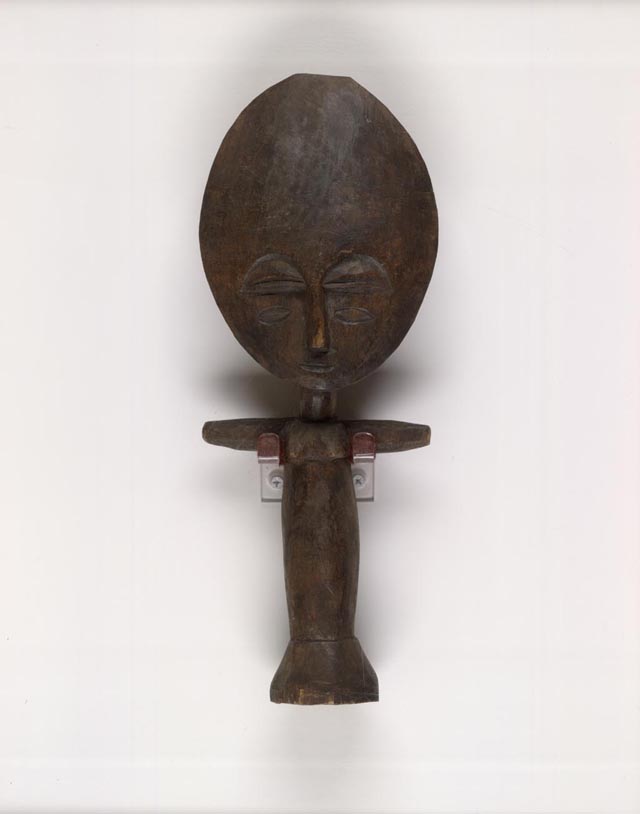
The evening turns into a post-colonial version of Who’s Afraid of Virginia Woolf . Accusations, pain, anguish and bitter comedy are used to explore damage/guilt in the West. The title refers to a small plastic doll intended as a gift for the African child – a child whose only representation on stage is a small wooden carving.
Says Schimmelpfennig:





Recent Comments